
Supporting a child with ADHD can bring incredible joy and connection — and it can also bring moments of overwhelm, frustration, and rapid shifts in mood or routine.
Parents often tell us things like:
-
“My child feels things so intensely.”
-
“Small changes set them off.”
-
“Transitions are really hard.”
-
“I want to support them better, but sometimes I feel out of my depth.”
ADHD is a neurodevelopmental difference, not a behavioural problem. But the emotional world around ADHD can be big and unpredictable — for your child, and for you.
To support whānau navigating these ups and downs, we’re offering a free guide designed to help parents support young people through change, strong feelings, and challenging moments.


Understand feelings
Learn what children need most during grief and change

Creative activities
22 ideas to help tamariki express and release emotions

Find strength
Build resilience, hope, and connection as a whānau
Understanding ADHD
ADHD looks different for every child. You may notice things like:
Attention
-
Notices many things happening at once
-
Strong focus on tasks that spark interest (“hyperfocus”)
-
May find repetitive or less engaging tasks difficult to sustain
-
Can be imaginative and daydream often
Activity
-
Has high energy that thrives in active, hands-on tasks
-
Enjoys movement and can find sitting still for long periods challenging
-
Often enthusiastic and expressive in conversations
Impulsivity
-
Acts quickly and is often willing to take risks or try new things
-
Eager to share ideas and participate
-
May find waiting difficult, especially when excited
At the same time, many children with ADHD shine with:
-
High energy that can be channelled into sports, play, and learning
-
Spontaneity and flexibility
-
Creativity and imagination which can help with problem-solving
-
Strong focus on things they are passionate about
-
Resilience - ability to keep going after challenges.
These strengths are real and powerful — they just need the right support around them.
What's inside the guide?
-
Tips for talking about difficult topics — gentle ways to start conversations, what words to use (and avoid), and how to answer tricky questions honestly
-
Common reactions in children and teens — from emotional outbursts to withdrawal, and how to respond with patience and aroha
-
Tools for calming anxiety — including deep belly breathing, grounding exercises, and other simple practices that make a real difference
-
Creative activities for support — 22 ideas for helping children express themselves through art, storytelling, movement, and rituals
-
When to seek more support — signs that your child may need extra help from a counsellor or professional
This booklet is designed to be practical, easy to use, and something you can return to again and again.
About Skylight
Skylight Trust is a national not-for-profit that specialises in helping tamariki, rangatahi, and whānau navigate tough times.
We provide counselling (in person and online), group programmes, resources, and training for professionals. We believe no one should face grief, loss, or change alone. This guide is just one way we share that support.
24k+
Hours of therapy each year
400+
Families supported per month
130+
Schools running our programmes
What support do children with ADHD need most?
Every child experiences ADHD differently – their emotions, energy and reactions can ebb and flow throughout the day. Still, there are a few things that almost all neurodiverse children benefit from in the adults around them.
Here are a few of the essentials:
-
Reassurance – Children need to know they are loved, safe, and not to blame for what has happened.
-
Honesty – Clear, age-appropriate explanations help reduce confusion and fear.
-
Listening ears – Space to share feelings and ask questions without judgement.
-
Routine and stability – Keeping familiar patterns helps children feel grounded when everything else feels uncertain.
-
Patience and understanding – Reactions like anger, tears, or withdrawal are normal. They need time and gentle guidance.
The full guide explains these needs in more detail and offers practical tools and language you can use to support tamariki and rangatahi through emotional ups and downs, change, and challenging moments.

Jacob
School Counsellor
"Through counselling [the child] has been able to acknowledge their fear and connect with joy, family and the other protective elements in life."
Glenda
Facilitator
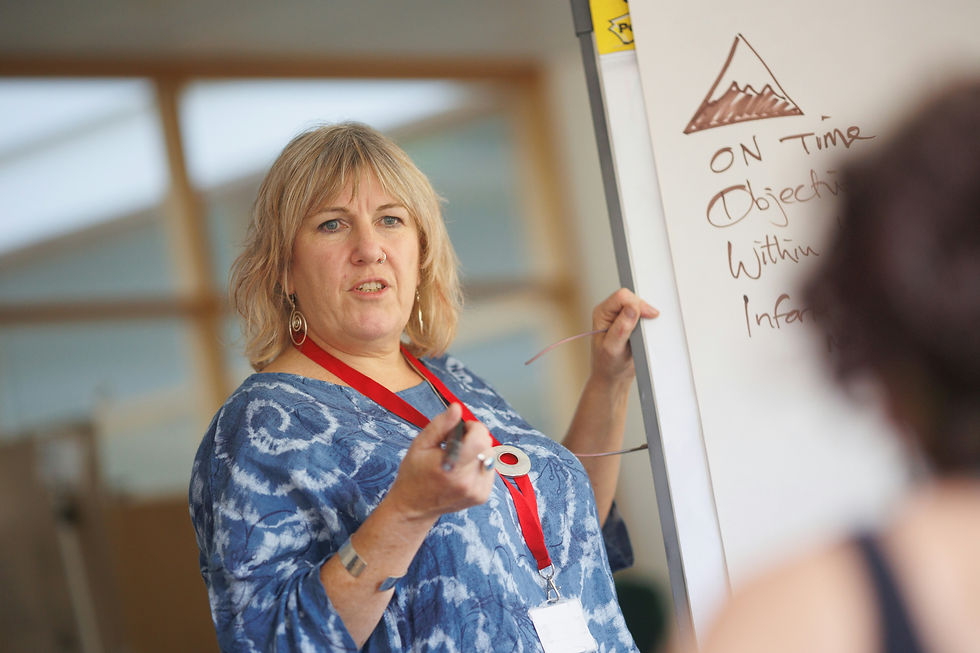
"Creative activities gave the girls space to express themselves in ways that felt safe and empowering, often opening conversations that may not have happened otherwise."

Noel
Student
"It’s different now. Before I went to Travellers I didn’t really get along with my friends. Now I speak up to them and I’m not invisible anymore."
Practical activities to support your child
The Change and Loss guide includes 22 creative activity ideas that parents and whānau can use at home to help tamariki and rangatahi express their feelings and build resilience. These activities are simple, meaningful, and easy to adapt for different ages.
Here are a few examples:
-
My Wall of Hearts – Draw or cut out hearts and write the names of people who love and care for your child. Display them on the wall as a daily reminder of support.
-
Make Whānau Handprints – Trace each person’s hand or fingerprint and display them together. A powerful reminder that everyone grieves differently, but you’re all in it together.
-
Storytelling – Share whānau stories, both old and new. Encourage children to add their own tales, helping them see strength and connection through difficult times.
-
Music for Comfort – Help your child create a playlist of songs that soothe or uplift them. Singing and music can sometimes express what words can’t.
The full guide contains all 22 activities, along with tips for when and how to use them.
Here’s how we’ll support you after you sign up
Your free guide, instantly
The Change and Loss booklet will arrive straight to your inbox — ready to use whenever you need it.
Helpful emails, step by step
Over the next few weeks, we’ll send you short, practical emails with tips, stories, and resources to support you and your whānau.
Webinars and more resources
You’ll also get invitations to free webinars and updates on new tools as they become available.
Our funders and supporters





Support your child — download the free guide
We’ll send you the Change and Loss guide straight away, and follow up with more short, helpful emails. You can unsubscribe any time.