ADHD and Emotional Dysregulation: A Crash Course in Managing Emotions.
Whether you have ADHD, or you are just interested in learning more about your own emotions, here's a term you might have come across before but had no clue what it meant.
Emotional Dysregulation.
Emotional dys.. what? It can look quite confusing, but let's break it down together. First, 'emotional' refers to all types of emotions and feelings; happy, sad, angry, upset, etc. And 'dysregulation' refers to a difficulty or dysfunction in controlling or regulating those emotions (Shaw et al., 2014).
The Attention Deficit Disorder Association (ADDA) describe it well, "Imagine if traffic lights skipped yellow and went straight from green to red without warning – driving under these conditions would be very stressful."
On the other hand, emotional regulation refers to "the ability to modify an emotional state to promote adaptive, goal-oriented behaviours" (Shaw et al., 2014).
It's important to remember that emotional dysregulation is something that can be experienced by anyone. However, it appears to be more often observed in people with ADHD. Some research even suggests that challenges with emotional regulation affect around 25%-45% of children, and up to 70% of American adults with ADHD (ADDA, Shaw et al., 2014). That is a huge number!
You might be wondering how exactly emotional dysregulation shows up in day-to-day life. The ADDA provide a few examples of this, backed up by the findings of Shaw et al. (2014):
Workplace difficulties: You may struggle to manage the stress that comes with deadlines, or the anxiety that follows minor mistakes and inconveniences. Additionally, it can be tricky to build relationships with colleagues who do not experience stress in the same way.
Study problems: Emotional dysregulation can make concentrating, learning, and being productive harder due to stress and anxiety. Experiencing outbursts or displaying over-the-top emotions also makes it harder to form friendships, leading to isolation.
Relationship conflicts: If you struggle to regulate your emotions, you may experience more conflicts with family, friends, and romantic partners. As a result, you may often ruminate on these issues rather than on finding solutions. Minor disagreements or triggers may also lead to full-blown arguments, leading to hurt feelings and misunderstandings.
Mental health struggles: Emotion dysregulation makes it more difficult to deal with sadness, anger, and frustration, which may contribute to or worsen other mental health conditions.
Risky behaviours: Research shows that people with trouble regulating emotions are more likely to participate in risky behaviours, like substance misuse and dangerous driving.
How to better manage emotional dysregulation
For anyone who experiences trouble regulating their emotions in their day-to-day life.
Below are a few steps you might take on your own to manage emotional dysregulation.
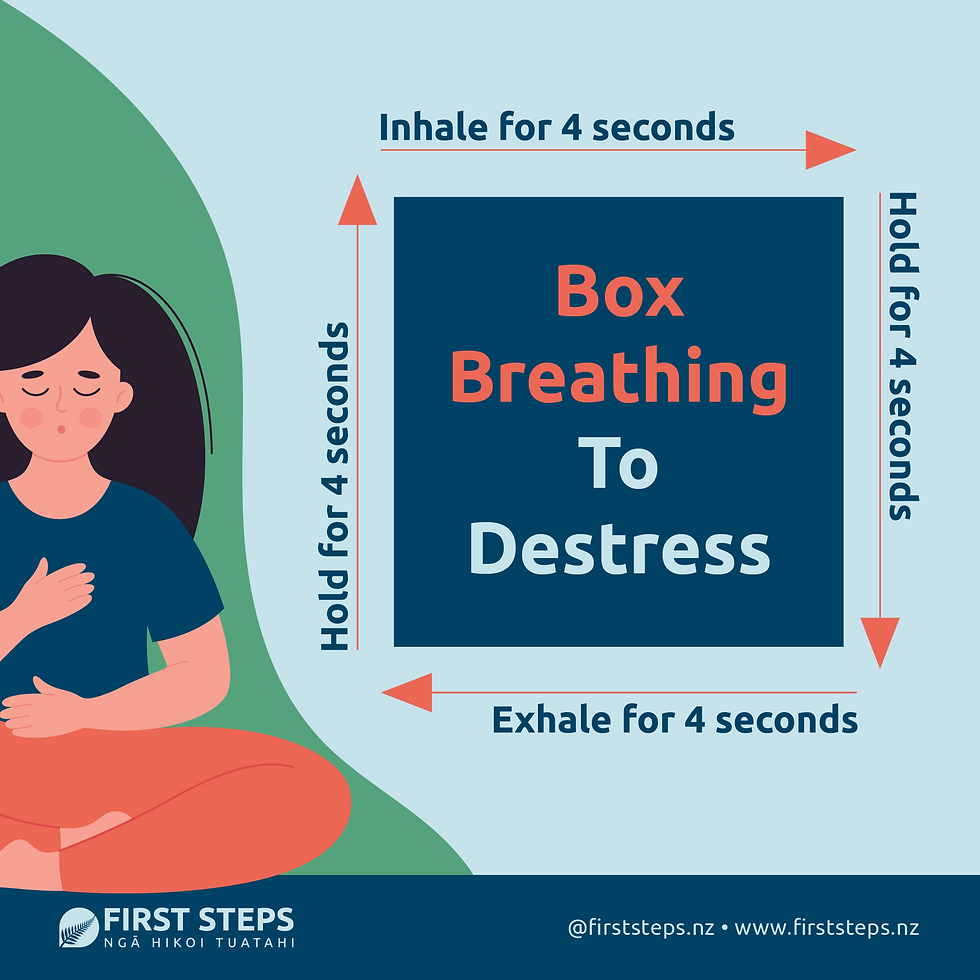
Step 1: Pause and breathe.
If you feel yourself shifting emotions rapidly, or not quite understanding why you are suddenly angry, upset, or frustrated, a great place to start is by pausing and breathing. Find a breathing technique that works well for you, and find a quiet or calm place to take a moment for yourself. Head here to read about some techniques.
Step 2: Acknowledge your feelings.
This can help with self-acceptance and encourage better processing of what happened. It's important to understand that your feelings are valid, and that you have the power to control it through practice and patience.
Step 3: Reframe the narrative:
When you are feeling calmer, try to reframe the situation and consider alternative explanations as to what happened. You might have misinterpreted or confused the reality of the situation given the heightened emotions. This is an important aspect of reflection and discourages jumping to any conclusions.
Step 4: Reflect and learn your triggers:
Reflecting on the situation can be very helpful for learning about next time. One behavioural technique you might try is called A-B-C (Healthline). This technique is used to understand the cause and function of behaviours by identifying Antecedents (triggers), Behaviours (actions), and Consequences (reactions). It is widely used to manage challenging behaviours in children or adults by identifying environmental factors and reinforcements.
The ABC Components
A - Antecedent: What happened immediately before the behaviour? (e.g., triggers, specific places, instructions, or people).
B - Behaviour: What behaviour occurred as a result? This should be a specific, observable description of the action, such as yelling, hitting, or crying.
C - Consequence: What happened immediately after the behaviour? (e.g., responses from others, attention, removal of a task).
If you, or someone you know, experiences emotional dysregulation or similar challenges, counselling or therapy could be a good option to learn about the problem, as well as to learn techniques to manage it. If you would like to enquire about counselling, please contact us at Skylight to talk to someone.
References:
Shaw et al. 2014 - https://pmc.ncbi.nlm.nih.gov/articles/PMC4282137/
Healthline - https://www.healthline.com/health/abc-model

